

There’s a saying in the climate movement that to change everything will take everyone. In my work as an educational leader of color dedicated to transforming school communities through Social and Emotional Learning (SEL), I believe it’s imperative that schools ultimately position SEL in service of a shift in collective consciousness.
Search results for:
neuroscience
Plenary Panel: “Pathways to Resilience in the Pandemic from a Contemplative, Moral and Public Health Perspective“
This plenary session will consider the key major challenges we face during and after the pandemic and social unrest from the lens of social, affective and contemplative neuroscience and from public health. Insights from these disciplines will be applied to consider possible interventions and solutions for some of the key challenges we face today. The …
Molly Crockett
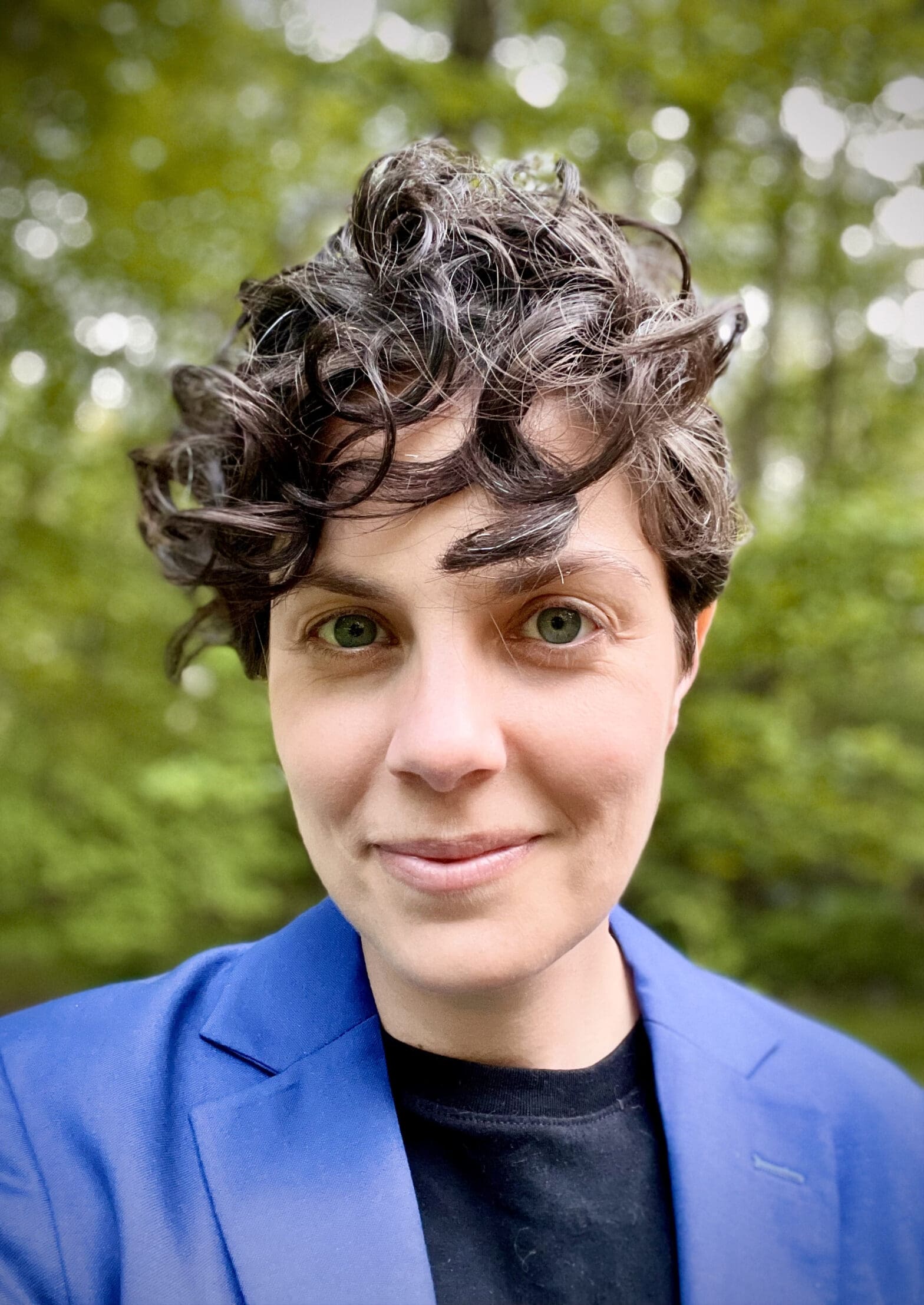
Dr. Molly Crockett is an Associate Professor at Princeton University’s Department of Psychology and University Center for Human Values. Crockett’s lab investigates moral cognition: how people decide whether to help or harm, punish or forgive, trust or condemn. Their research integrates theory and methods from psychology, neuroscience, economics, philosophy, and data science. Crockett’s recent work …
Keynote and Q&A: “Contemplative Studies: An Ecological Methodology for Multidisciplinarity”
Building on the conception of ‘ecological phenomenology’ that Maria Heim and Ram have developed, and which he has written about in his recent book, he will share that there is a deep ‘ecological’ conception of being human in the contemplative traditions that could provide a paradigm for looking at the disciplinary and reflexive phenomenology of …
Keynote and Q&A: “Understanding Human Thought Through Dynamic Brain Systems”
Mind-wandering has recently come to occupy a central position in cognitive psychology and neuroscience. Most theories and research so far have examined it in terms of task-unrelated or stimulus-independent mental contents that occur at particular moments of time. A defining feature of mind-wandering, however, are its dynamics: how thought moves over time. In this talk, …
Continue reading “Keynote and Q&A: “Understanding Human Thought Through Dynamic Brain Systems””
Academic Conferences
Mind & Life research conferences provide a rich forum for interdisciplinary investigation of the mind and contemplative practices in diverse contexts. Innovative thought leaders present groundbreaking research in neuroscience, psychology, clinical science, the humanities, philosophy, and education—all with the goal of advancing understanding of the mind and its role in individual and collective flourishing.
From Argentina to South Africa: Contemplative Scientists Find Connection and a Home
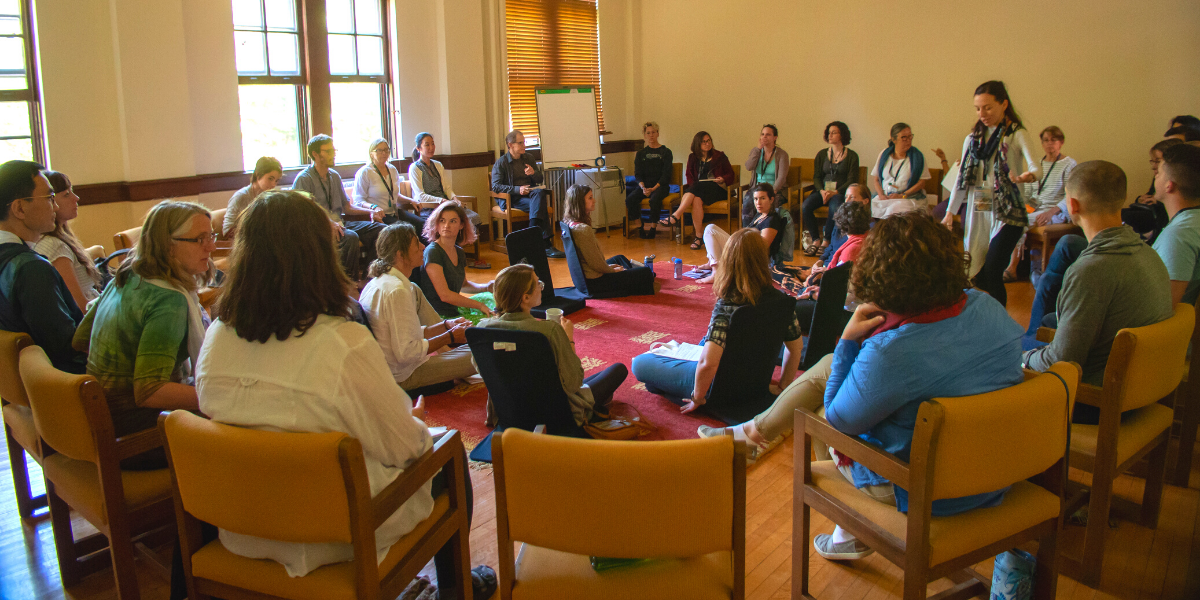
With roots in North America and western Europe, the field of contemplative science is now expanding around the globe. Despite this growth, not all researchers have access to the same knowledge, resources, and networks. And for those advancing new areas of inquiry, the experience can be an isolating, if not lonely, one. Researchers pioneering new …
Pooja Sahni
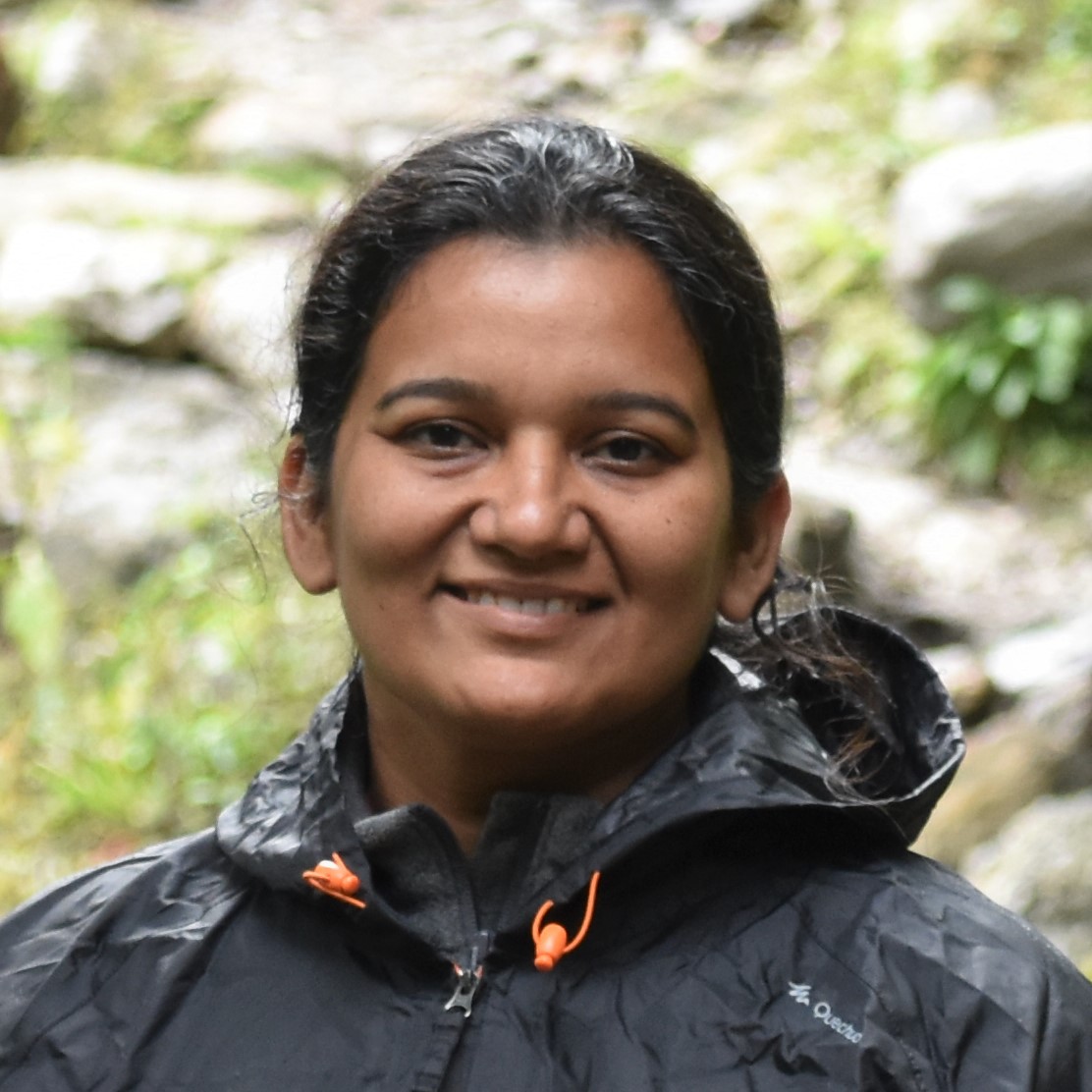
Pooja Sahni holds a doctorate in contemplative environmental neuroscience from the National Resource Centre for Value Education in Engineering at the Indian Institute of Technology Delhi (IITD), India, and is a practitioner of surat-shabd-yoga (ultratranscendental meditational technique). She currently leads the Mind Lab at IITD as a Principal Research Scientist. Her research interests include curriculum development for positive education, as well …
Melissa Rosenkranz

Melissa holds the Distinguished Chair in Contemplative Neuroscience, an endowed position at the Center for Healthy Minds and is an Assistant Professor in the Department of Psychiatry at the UW–Madison School of Medicine and Public Health. Her research is focused on understanding the underlying biology of mind-brain-body interactions through which stress, emotion, and the immune …
Jasmine Harris
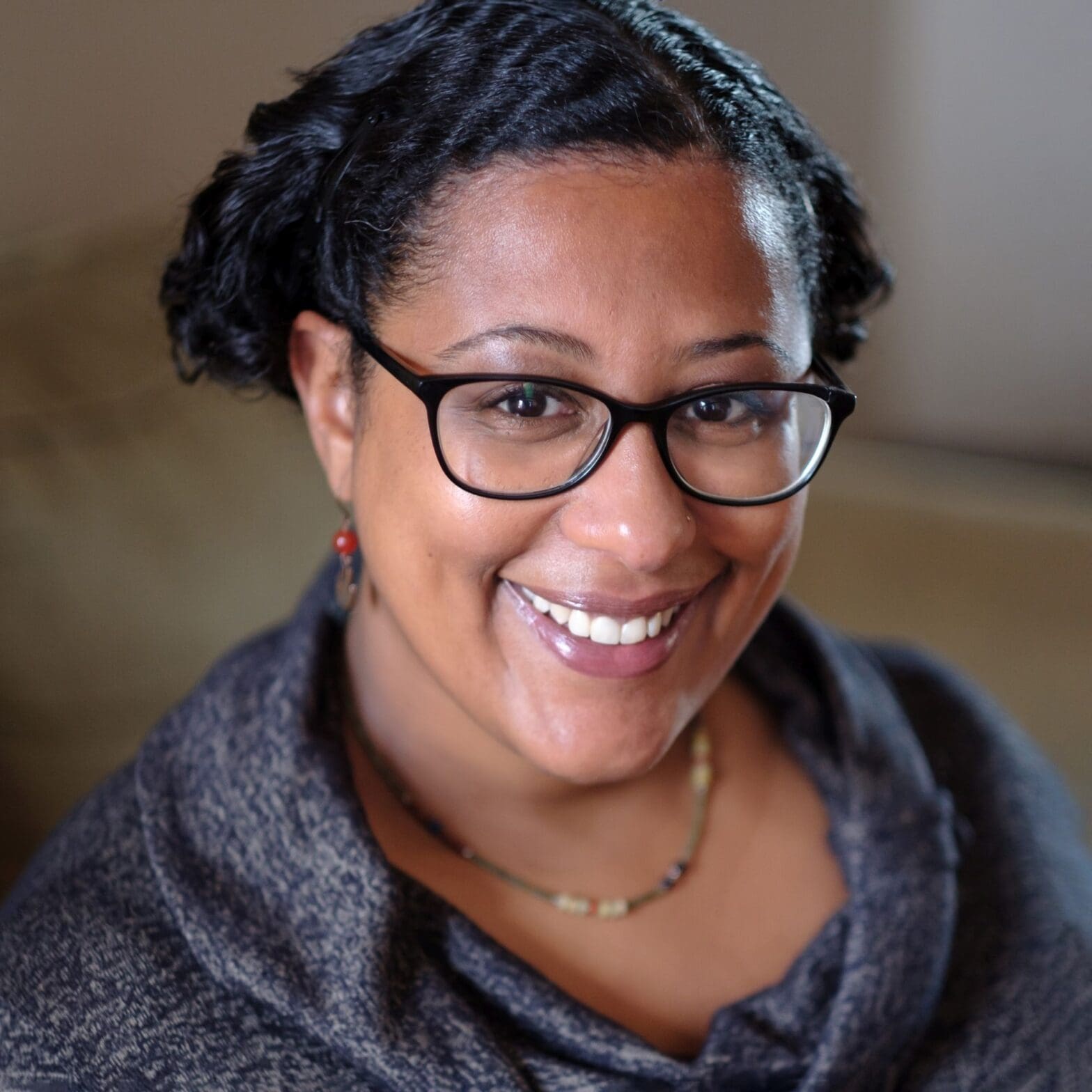
Jasmine is a graduate student in the Cognitive Neuroscience Lab at Northwestern University. She earned her BS in Neuroscience from University of Illinois at Chicago, where she studied sleep and circadian rhythms. Jasmine enjoys exploring the mind through both her research and creative passions, such as writing and making music. She is most interested in …