
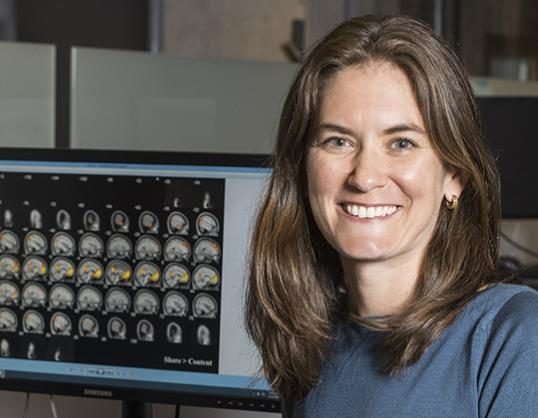
Emily Falk is an Associate Professor of Communication, Psychology, and Marketing at the University of Pennsylvania. Prof. Falk employs a variety of methods drawn from communication science, neuroscience and psychology. Her work traverses levels of analysis from individual behavior, to diffusion in group and population level media effects. In particular, Prof. Falk is interested in …
Search results for:
neuroscience
Interoception and Contemplative Practice
Organizer Participants Interoception can be broadly defined as the sense of signals originating within the body. As such, interoception is critical for our sense of embodiment, motivation, and well-being. And yet, despite its importance, interoception remains poorly understood within modern science. This paper reviews interdisciplinary perspectives on interoception, with the goal of presenting a unified …
Heidemarie Laurent

I completed my doctoral training in Clinical Psychology with a developmental focus at the University of Massachusetts at Amherst, followed by a clinical internship at the University of Washington Medical School and a postdoctoral fellowship focused on Clinical Developmental Neuroscience at the University of Oregon. Throughout this training and continuing as an Assistant Professor of …
2020 Contemplative Research Conference

The Mind & Life 2020 Contemplative Research Conference is online November 5-8, 2020. The virtual conference is an international convening for rigorous interdisciplinary investigation of contemplative practices and programs in diverse contexts. The conference will feature plenary sessions and concurrent symposia on a diverse range of topics and best practices within contemplative research, including basic research, clinical studies, cultural and philosophical analyses, and education.
Partap Khalsa
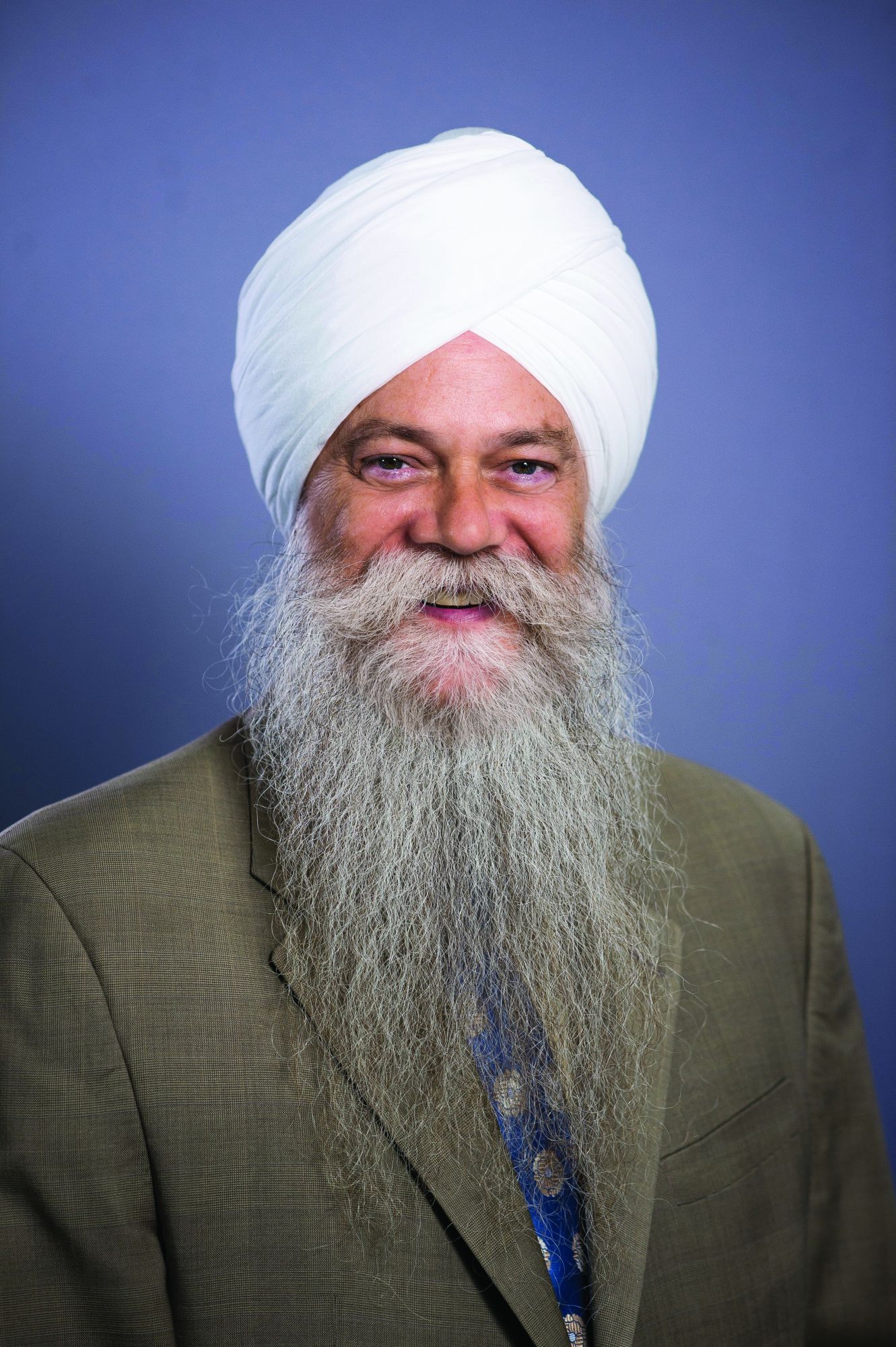
Partap S. Khalsa, DC, PhD, is the Deputy Director for the Division of extramural research, national Center for Complementary and Integrative Health (nCCIH), national Institutes of Health (nIH). nCCIH is the lead federal agency for funding research on complementary health approaches and their integration into the healthcare system. The Division of extramural research oversees a broad …
Opening Keynote, Contemplative and Neuroscientific Perspectives on Personal and Social Well Being: A Conversation with Matthieu Ricard and Richard J. Davidson
Join two renowned leaders in the field of contemplative studies for a conversation reviewing a 15-year history of collaboration between contemplatives and neuroscientists, with perspectives from both traditions. The discussion will explore the philosophical and scientific issues germane to the investigation of well-being. The possibility of cultivating well-being will be considered, along with the underlying …
2016 International Symposium for Contemplative Studies

The Mind & Life Institute’s International Symposium for Contemplative Studies (ISCS) seeks to encourage and help shape a cohesive interdisciplinary field of contemplative studies in which basic and applied science, scholarship, education, the arts, and contemplative traditions collaboratively develop an integrated way of knowing.
In 2016 we gathered the most innovative thought leaders and present their ground breaking research in neuroscience, psychology, clinical science, the humanities, philosophy, and education – all with the goal of advancing our understanding of the mind, reducing human suffering, and enhancing our well-being.
Jon Kabat-Zinn

Jon Kabat-Zinn, Ph.D. is Professor of Medicine emeritus at the University of Massachusetts Medical School, where he founded the Center for Mindfulness in Medicine, Health Care, and Society (in 1995), and (in 1979) its world-renown Mindfulness-Based Stress Reduction (MBSR) Clinic. He is the author of ten books, including the bestsellers Full Catastrophe Living, Wherever You …
Patricia (Tish) Jennings

Prof. Jennings is a Professor of Education at the Curry School of Education at the University of Virginia. She is an internationally recognized leader in the fields of social and emotional learning and mindfulness in education with a specific emphasis on teacher stress and how it impacts the social and emotional context of the classroom. …
Sona Dimidjian

Sona Dimidjian, PhD is Director of the Renée Crown Wellness Institute and Professor in the Department of Psychology and Neuroscience at the University of Colorado Boulder. Her current research projects focus on preventing depression and supporting wellness among new and expectant mothers, promoting healthy body image and leadership among young women, and enhancing mindfulness and …